
Home Of Jones For A Lifetime | 0% 2026 Rogue | 0% 2026 Murano | 0% 2026 Pathfinder | 0% 2026 Frontier | Click Here For All Incentives
Rain, Fog, and Tight Parking near Baltimore, MD — Nissan Crossovers vs Subaru
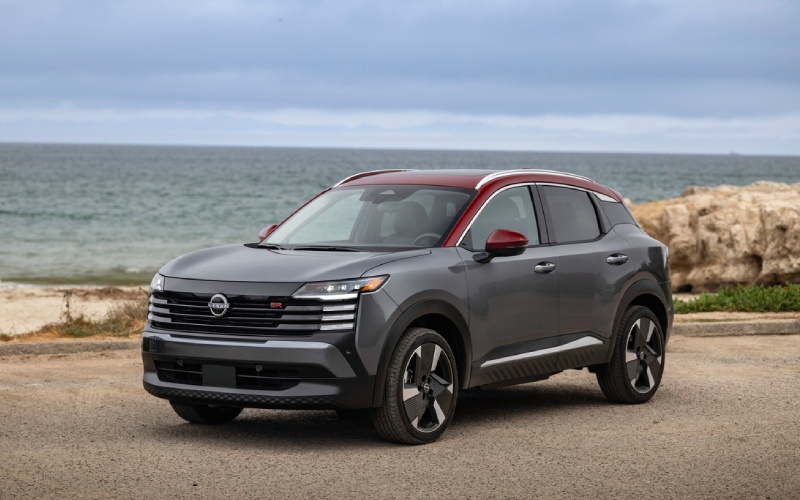
Jones Bel Air Nissan - Rain, Fog, and Tight Parking near Baltimore, MD — Nissan Crossovers vs Subaru
For many drivers near Baltimore, the real test of a crossover is not a postcard mountain pass — it is navigating Beltway stop-and-go in heavy rain, easing into tight street parking in Federal Hill or Fells Point, and staying confident through early-morning fog along I-95 and I-695. At Jones Bel Air Nissan, we meet shoppers who compare Nissan to Subaru for exactly these conditions. Both brands are respected for year-round capability and safety tech, yet the way each solves everyday Mid-Atlantic challenges is different. Below, we break down how Nissan crossovers stack up against Subaru for rain, fog, and parking precision — the situations you actually face on commutes from Bel Air to downtown Baltimore and weekend drives to Gunpowder Falls or the Bay.
Before we dive in, a quick note about why local expertise matters: We are Maryland’s #1 Nissan Dealer based on the 2024 Nissan Sales Report, and our team lives the same weather swings and urban-suburban drives you do. That experience shapes the advice you will read here, and it is backed by what we see customers value most on our test routes around Bel Air and into the city.
Parking and alley maneuvering: how Nissan and Subaru differ when space gets tight
Parallel parking by Camden Yards or slotting into narrow rowhome alleys rewards clear sightlines and intuitive camera tech. Nissan emphasizes parking confidence across many crossovers — from city-sized options to family-ready SUVs — with features designed to make close-quarters moves feel natural.
- Surround view advantage: Nissan’s available Intelligent Around View Monitor provides a composite overhead view to help you align with curbs and avoid hidden obstacles; most Subaru models rely on standard backup cameras and selective front views, while true 360-degree systems are less common across the Subaru lineup.
- Rear obstacle confidence: Nissan Safety Shield® 360 includes available Rear Automatic Braking on many models to help apply the brakes when an object is detected behind you; Subaru offers Reverse Automatic Braking on select vehicles, yet availability varies by model and trim.
- Steering and size choices: Nissan offers multiple crossover footprints — from nimble urban-friendly options to larger family SUVs — so you can right-size for Baltimore garages and street parking; Subaru also offers a practical size spread, though fewer city-first vehicles emphasize ultra-small footprints.
In practice, that surround view capability is what customers tell us reduces stress the most. The difference shows up when sneaking past delivery trucks on Pratt Street or easing into a garage near the Inner Harbor — the overhead perspective takes guesswork out of it.
Rain and fog on the Beltway: confidence from the sensors to the tires
On wet I-695 mornings, stability, traction, and driver-assist clarity matter more than spec-sheet bragging rights. Here is how Nissan and Subaru compare in the real weather you see between Essex, White Marsh, and downtown.
- All-wheel drive philosophy: Subaru’s Symmetrical All-Wheel Drive is standard on most models and is tuned for balanced traction; Nissan offers available Intelligent AWD or Intelligent 4x4 across many crossovers and SUVs to proactively send power to the wheels that need it while allowing efficient front-drive cruising in clear conditions.
- Drive modes for slick roads: Subaru models often add X-MODE for low-traction scenarios; many Nissan crossovers include selectable drive modes — such as Snow or Eco — to tailor throttle and shifting to your conditions around the Beltway.
- Driver-assist visibility: Subaru EyeSight uses stereo cameras mounted at the windshield for Adaptive Cruise Control and Lane Centring; Nissan Safety Shield® 360 and available ProPILOT Assist pair camera and radar sensing on many models, which can help maintain assistance confidence in low-contrast rain or mist when visibility is challenging — always with the driver in full control.
- Braking and alerts: Both brands offer Automatic Emergency Braking with Pedestrian Detection, Blind Spot Warning/Detection, and Rear Cross Traffic Alert; Nissan makes many Safety Shield® 360 features standard across a wide portion of the lineup, helping you get comprehensive coverage without moving to specialty trims.
From our customer feedback, the radar-plus-camera approach on select Nissan models delivers reassuring performance in Baltimore’s frequent downpours and tunnel transitions around I-895. Smooth lane centring and stop-and-go support can reduce fatigue on long I-95 commutes to and from Bel Air, provided you keep hands on the wheel and eyes on the road.
Cabin tech that reduces mental load in city driving
City driving demands simple, fast interactions — especially when your ramp merge is seconds away. Nissan’s latest cabins emphasize clarity and fewer taps to achieve common tasks, which becomes obvious in heavy traffic.
- Navigation and voice control: Select Nissan models offer Google built-in for native Google Maps, Assistant, and Play, reducing phone fumbling when you need a detour around an I-95 slowdown; Subaru’s STARLINK system provides modern connectivity with Apple CarPlay and Android Auto, though native Google built-in is not common across most of its lineup.
- Driver-assist integration: Available ProPILOT Assist on multiple Nissan vehicles places key controls within easy reach and shows lane and gap cues clearly in the cluster; Subaru’s EyeSight graphics are intuitive as well, but control placement and interface feel vary more by model.
- Everyday visibility: Nissan design often prioritizes low beltlines and wide rear-quarter glass — helpful for angled street parking; Subaru counters with upright seating and big windows that feel airy, but availability of 360-degree camera views remains the deciding factor for many urban drivers.
Technology should fade into the background when traffic compresses on the Key Bridge approaches. The overarching theme in modern Nissan crossovers is confident, quick-to-learn interfaces and parking tech that supports precision at walking speeds.
Family flexibility: cargo that works as hard as your schedule
Between soccer runs in Harford County and a weekend supply pickup at the Baltimore Farmers’ Market, smart cargo spaces beat raw cubic feet. Nissan leans into adjustable load floors and reconfigurable storage that anticipate real errands.
- Cargo solutions: Nissan’s available Divide-N-Hide cargo system on select models helps create tiers, hide valuables, or stabilize groceries; Subaru’s wide openings and straightforward layouts are useful, yet fewer modular, quick-change solutions are built in across the range.
- Seating versatility: Nissan offers two- and three-row crossovers — with easy-fold second rows that drop flat for bulky items — and available motion-activated liftgates simplify curbside loading; Subaru also offers a strong three-row option and simple-fold seats, but hands-free liftgate availability is not universal.
- Ride comfort balance: Nissan tuning often favors quiet, composed commuting over sharp-edged sport; Subaru suspensions deliver confident control on rough or unpaved cut-throughs, though some drivers prefer Nissan’s calmer ride on patched city streets after winter.
A quick local test-drive checklist
When you are ready to compare in person, use the same roads you drive daily. Our team can map a route that includes highway, city, and parking maneuvers so differences are unmistakable.
- Rain simulation: Ask us to demonstrate wiper-speed-linked camera cleaning and how driver-assist status displays adapt in heavy rain; watch how alerts remain clear without distraction.
- Parking drill: Try a parallel park with Nissan’s Intelligent Around View Monitor, then a back-in maneuver into a tight spot; note curb alignment and wheel protection confidence.
- Stop-and-go cruise: Experience available ProPILOT Assist in Beltway traffic to feel lane centring and gap control; compare how the system communicates status in the cluster.
- Cargo conversion: Flip the rear seats and reconfigure available Divide-N-Hide panels; decide if the layout matches your weekly shopping or sports gear.
Why shop Nissan with us near Baltimore
Selection, local know-how, and long-term support matter as much as the test drive. We carry one of the largest selections of new Nissan vehicles in the region, and every new Nissan includes Jones For a Lifetime benefits — Free Oil & Filter Changes, Free Car Washes, Roadside Assistance, a Lifetime Engine Guarantee, and more — for as long as you own the vehicle. Our factory-certified technicians, online scheduling, and convenient Bel Air location make service straightforward long after you drive home.
The takeaway
Subaru earns its reputation for standard all-wheel drive and confidence on poor surfaces. Nissan counters with a radar-plus-camera approach to driver assistance on many models, available surround view parking clarity that shines in tight Baltimore spaces, flexible cargo that fits real-life errands, and intuitive cabin tech — including available Google built-in — that reduces daily friction. If your life mixes Beltway rain, city parking, and quick weekend escapes, Nissan crossovers deliver a calm, helpful experience that keeps you confidently in control, and our team at Jones Bel Air Nissan is ready to help you find the right fit.
Frequently Asked Questions:
Which brand offers better driver assistance in heavy Baltimore rain?
Both Nissan and Subaru provide advanced driver-assist suites. Many Nissan models pair camera and radar sensing for features like Automatic Emergency Braking and available ProPILOT Assist, which can help maintain assistance confidence in low-contrast rain or tunnel transitions. Subaru EyeSight is primarily camera-based from the windshield and performs best with a clean, unobstructed view. In all conditions, drivers must remain attentive and ready to take over.
Is Nissan Safety Shield® 360 standard across the lineup?
Many Nissan models include Safety Shield® 360 standard, and availability spans widely across the lineup. Features like Automatic Emergency Braking with Pedestrian Detection, Blind Spot Warning, Lane Departure Warning, High Beam Assist, and Rear Cross Traffic Alert are commonly included. Our team can confirm feature details for the exact model and year you are considering.
How does available ProPILOT Assist compare to Subaru’s Adaptive Cruise with Lane Centring?
Both systems support speed and lane centring in well-marked conditions and can ease Beltway fatigue. Available ProPILOT Assist integrates clear steering prompts and gap visuals, and select Nissan models offer enhancements like navigation-linked speed adjustments. Because feel and interface matter, a back-to-back test on your typical route is the best way to decide.
Do I need AWD for Baltimore winters, or are all-season tires enough?
AWD improves traction when accelerating on slick surfaces and can increase confidence in slushy or icy patches. Quality tires remain the single biggest factor for grip and braking. Many Baltimore-area drivers choose AWD for peace of mind and pair it with appropriate seasonal tires for the best results. We can help you decide based on your routes and parking situation.
What ongoing benefits does Jones Bel Air Nissan provide after purchase?
Every new Nissan we sell includes Jones For a Lifetime benefits — Free Oil & Filter Changes, Free Car Washes, Roadside Assistance, a Lifetime Engine Guarantee, and more — for as long as you own the vehicle. Our factory-certified technicians and online service scheduling keep maintenance convenient at our Bel Air, MD location.
Ready to compare Nissan and Subaru where it counts — in Baltimore rain, fog, and real parking spaces? Visit us at 1506 Belair Road in Bel Air, MD. Our team can tailor a route that mirrors your daily drive and help you experience why so many local shoppers choose Nissan with our support.
Request more information
Categories:
Nissan Dealer
 AdChoices